

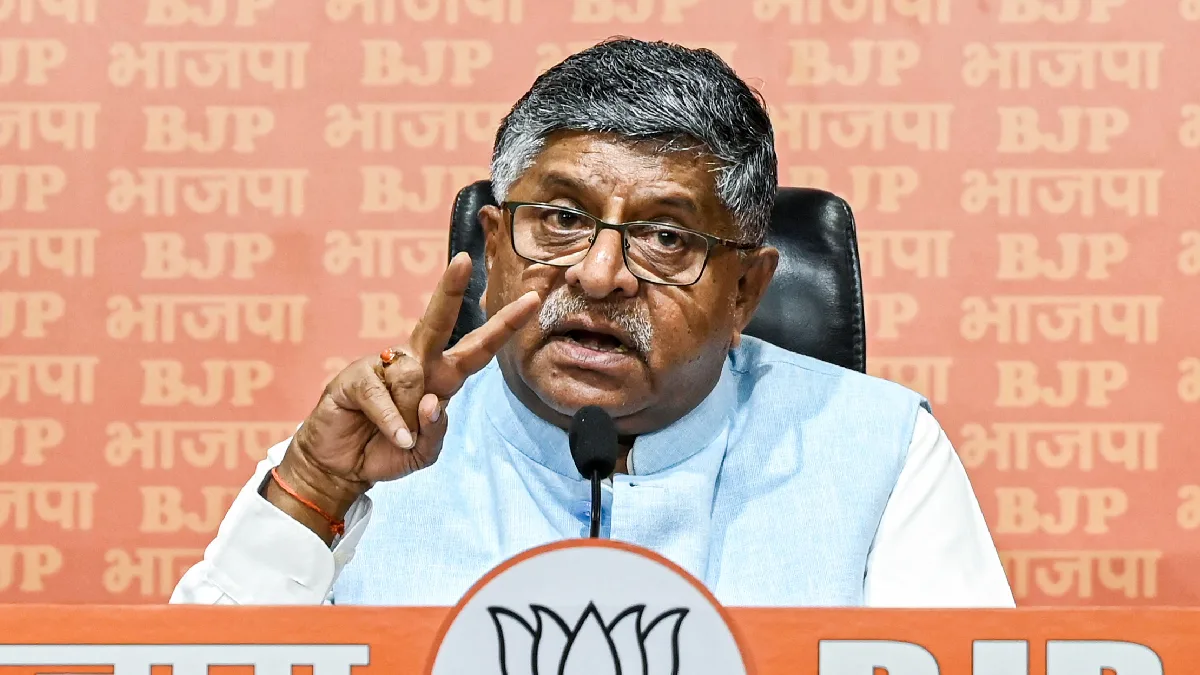
In a heated exchange, the BJP has accused Congress leader Rahul Gandhi of trying to weaken India’s democracy. This claim follows Gandhi’s recent allegations regarding voter tampering in Karnataka’s Aland Assembly constituency.
On Thursday, Gandhi claimed that over 6,000 voters’ names had been deleted and directed criticism towards Chief Election Commissioner Gyanesh Kumar, calling him complicit in the alleged voter fraud.
Who is Involved in the Controversy?
The main players in this unfolding drama are Rahul Gandhi, the Leader of Opposition in the Lok Sabha, and the ruling Bharatiya Janata Party (BJP), which has publicly rebutted his accusations. Former Union minister Ravi Shankar Prasad voiced the BJP’s position during a press conference.
What are the Allegations?
Rahul Gandhi made serious allegations against the electoral process, stating that the 2024 elections would also be manipulated like those in 2014 and 2019. He believes that the Chief Election Commissioner, Gyanesh Kumar, has failed to act against this supposed fraud.
Why is This Issue Significant?
This controversy is critical because it reflects the growing tension between the BJP and Congress ahead of the upcoming general elections in 2024. The integrity of the electoral process is a cornerstone of democracy. Any perceived threat to this process can significantly impact voter trust and participation.
BJP’s Response to Gandhi’s Claims
In retaliation, Ravi Shankar Prasad stated that Gandhi’s accusations stemmed from his dwindling public support. Prasad asserted, “Rahul Gandhi is systematically trying to weaken India’s democracy because the public doesn’t vote for him.” He highlighted the Congress party’s victory in the 2023 Karnataka elections, questioning why they would blame another party for alleged voting issues.
Prasad emphasized, “What Rahul Gandhi has spoken about is the 2023 election.” He pointed out that when Congress emerged victorious, they had the entire governmental machinery at their disposal, including law enforcement. Hence, he questioned the validity of their complaints.
The Broader Implications for Democracy
Experts argue that constant allegations, like those made by Gandhi, can erode public trust in the electoral process. This trust is vital for the functioning of democracy. According to political analyst Dr. Ramesh Verma, “When leaders make baseless accusations, it risks creating a divide among voters and diminishes the respect for democratic institutions.”
Furthermore, political tensions like this often overshadow vital issues such as economic policy, social justice, and healthcare, which voters care about deeply. As we approach the 2024 elections, the focus on alleged electoral fraud could detract from substantive discussions.
Public Reaction to the Controversy
The public’s reception of these allegations varies widely. Some express skepticism towards political leaders, viewing their statements as mere spectacle. A recent survey revealed that over 60% of voters aged 18-30 desire more focus on policies rather than party conflicts.
“We are tired of these blame games,” stated university student Priya Singh. “We want to see leaders discussing real issues, not just attacking each other.”
Conclusion: A Divided Political Landscape
As the 2024 elections approach, the accusations between Gandhi and the BJP raise questions about the future of India’s democracy. Will these claims disrupt voter trust enough to alter outcomes? One thing is certain: the political landscape remains divided, with public sentiment leaning toward a desire for constructive dialogue.
In a democratic society, leaders have the responsibility to uphold the principles of integrity and transparency. How each party addresses accusations will play a significant role in shaping the electoral narrative leading up to the elections.