

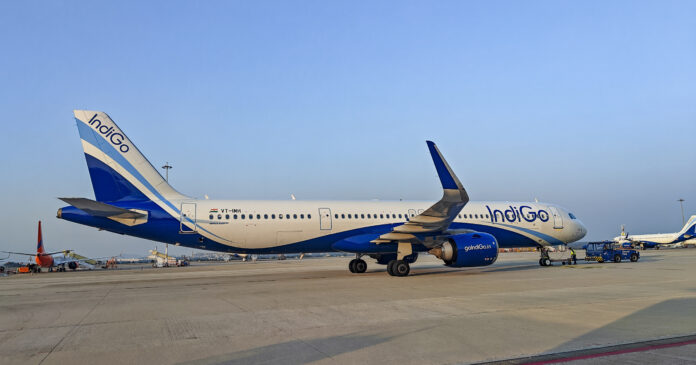
The Delhi High Court on Wednesday dismissed a public interest litigation (PIL) seeking directions for the Centre and IndiGo airline to provide four times the full ticket price as compensation to passengers affected by flight cancellations in November and December. These cancellations arose after the introduction of new Flight Duty Time Limitation (FDTL) norms in aviation.
A Division Bench, led by Chief Justice Devendra Kumar Upadhyaya and Justice Tushar Rao Gedela, noted that the court had already acknowledged the issue in a separate, pending PIL. The Bench encouraged the petitioner to intervene in that case.
“We do not see any reason as to why the concerns raised here cannot be taken up in the earlier petition. The jurisprudence developed by the Supreme Court and High Courts around PILs enables the court to broaden the scope of a public interest petition,” said the Bench.
The court declared, “We decline to entertain this petition, granting liberty to the petitioner to seek intervention in the ongoing petition. Hence, the writ petition stands disposed of.”
The PIL originated from the Centre for Accountability and Systemic Change (CASC), represented by its president, Prof Vikram Singh. The petition expressed deep concerns over the massive disruptions and last-minute cancellations that resulted in significant inconveniences for countless passengers.
Advocate Virag Gupta, representing the petitioner, highlighted the chaos at airports, including misdirected baggage, long delays, and inadequate communication from IndiGo regarding refunds and rebooking procedures.
Additionally, the PIL called for an independent investigation by a retired judge or the Lokpal to scrutinize the alleged negligence and shortcomings of the Directorate General of Civil Aviation (DGCA) in managing the situation.
On December 10, just prior to this ruling, the Delhi High Court had previously questioned the Central Government for not taking prompt measures to alleviate the fallout from IndiGo’s substantial flight cancellations, which stranded numerous passengers. The court had inquired about the escalation of the situation, particularly when other airlines were reportedly capitalizing on the chaos by charging exorbitant fares.
This scrutiny arose during a separate PIL that demanded government assistance and refunds for passengers affected by the widespread cancellations of IndiGo flights. Since December 2, IndiGo has faced mounting criticism from government officials and disgruntled passengers alike for its large-scale flight cancellations, which it attributed to the regulatory changes concerning pilots’ duty time and rest periods established under the revised FDTL framework.
The situation stirred considerable unrest within the aviation sector, drawing attention to the urgent need for clarity and accountability in airline operations and regulatory oversight. As the crisis unfolded, many passengers shared their harrowing experiences on social media, intensifying public criticism of the airline.
As this issue continues to develop, the aviation sector watches closely, with stakeholders eager for resolution and improved frameworks to prevent future disruptions. The High Court’s approach to existing legal frameworks and public grievances hinges on their commitment to ensuring airline compliance and adequate passenger service.