

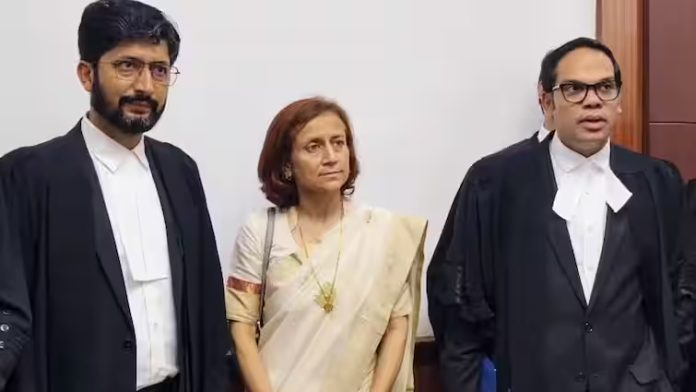
Geetanjali Angmo, the wife of renowned climate activist Sonam Wangchuk, visited him in Jodhpur Central Jail on October 3. Wangchuk remains detained following the September 24 Leh violence, which has sparked widespread outrage.
On X, Angmo shared details about her visit, which she made alongside lawyer Ritam Khare. During the encounter, they accessed a copy of Wangchuk’s detention order, a crucial document his legal team will contest in court.
The detention order outlines the allegations against Wangchuk and explains the grounds for invoking the National Security Act (NSA). This legislation permits authorities to detain individuals without charge if they are deemed to threaten national security.
Prior to Angmo’s visit, Wangchuk’s brother, Tsetan Dorje, met him at the prison with lawyer Mustafa Haji. Following his meeting, Haji announced on X that Wangchuk is demanding an independent judicial inquiry into the tragic deaths of four protestors during last month’s law enforcement crackdown in Leh.
“Wangchuk has expressed his willingness to remain in jail until such an inquiry is conducted,” Haji stated, emphasizing the activist’s commitment to his cause.
Angmo has also been proactive in seeking Wangchuk’s release. She filed a petition in the Supreme Court for her husband’s immediate release, with a hearing scheduled for October 14. This legal move underscores the urgency of the situation and the growing public interest surrounding Wangchuk’s detention.
Wangchuk’s prominence as a climate advocate, especially in Ladakh, makes his detention a focal point for discussions about environmental justice and human rights in India. His arrest followed violent clashes during protests advocating for statehood for Ladakh and its incorporation under the Sixth Schedule of the Constitution, which would grant greater autonomy to the region.
Initially detained, Wangchuk was transported to Delhi before being moved to Jodhpur on September 26. His continued imprisonment raises questions about the government’s stance towards activists mobilizing for ecological and sociopolitical causes.
As public sentiment continues to mount, Angmo’s visit and the subsequent legal actions reflect a collective demand for transparency and accountability within the system. The upcoming Supreme Court hearing will likely attract significant attention, as many await developments with bated breath.