

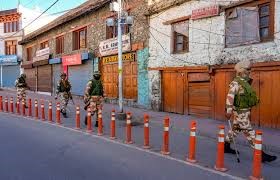
Curfew persists in Leh for the third consecutive day, markedly impacting daily life, as tensions rise over demands for statehood and constitutional safeguards for Ladakh. A Union Home Ministry team is evaluating the security landscape following recent unrest.
The unrest began after protests on Wednesday evening, prompting curfew measures that have since claimed four lives and left over ninety individuals injured. The Leh Apex Body (LAB) initiated the shutdown to advocate for statehood and inclusion under the Sixth Schedule of the Constitution, seeking greater autonomy and protection.
Authorities assured that, despite challenging circumstances, the overall atmosphere in Ladakh remains largely calm. Official reports indicate no significant incidents during the ongoing curfew. District Magistrate of Leh, Romil Singh, stated that curfew conditions might ease later in the day to facilitate essential activities.
The enforcement of curfew has led to the detention of over 50 individuals linked to the protests, as police and paramilitary forces actively monitor the situation to uphold peace. Officials emphasize a proactive stance to deter any potential disturbances.
Educational institutions across Leh, including government and private schools, colleges, will remain closed for two days from Friday, as the administration prioritizes community safety and addresses the ongoing situation.
A high-level delegation from the Ministry of Home Affairs arrived in Leh on Thursday to assess the developing situation. Lieutenant Governor of Ladakh, Kavinder Gupta, condemned videos circulating on social media that purportedly incite unrest, asserting, “We cannot allow the future of our youth to be compromised. Any such incidents will be dealt with under a zero-tolerance policy.”
As the situation develops, residents and local leaders call for dialogue aimed at addressing their grievances and restoring normalcy. The curfew, reflecting the serious concerns of the locals, signifies an urgent need for the central government to engage constructively with Ladakhi stakeholders.
Both residents and local officials encourage a peaceful resolution, recognizing the potential of open communication to ease tensions and pave the way for better governance in Ladakh. In light of the current unrest, many hope that the federal response prioritizes the welfare and aspirations of the people.