

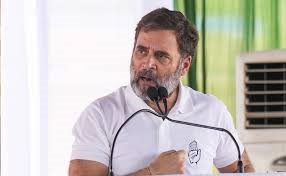
Congress leader Rahul Gandhi on Tuesday accused Prime Minister Narendra Modi of ‘betraying’ the people of Ladakh, demanding a comprehensive judicial probe into the police firing that resulted in the deaths of four protesters in the union territory. This incident marks a turbulent chapter in Ladakh’s ongoing struggle for greater autonomy and rights.
The tragic events unfolded on September 24, when police opened fire during a protest advocating for statehood for Ladakh. Among those who lost their lives in the incident was Kargil war veteran Tsewang Tharchin, highlighting the emotional turmoil surrounding the tragedy.“Father in the army, son in the army – patriotism runs in their blood,” Gandhi expressed in a poignant post on X, sharing a video of Tharchin’s grieving father.
Gandhi stressed, “Yet the BJP government shot and killed this brave son of the nation, simply because he stood up for Ladakh and his rights.” His remarks resonated deeply, especially as Tharchin’s father reflected the immense sadness and betrayal felt by many families affected by the violence.
The former Congress president, currently on a four-nation tour of South America, continued to urge the government for an unbiased investigation. “We demand that an impartial judicial inquiry be conducted into these killings in Ladakh, and the culprits be given the harshest punishment,” he stated forcefully.
Gandhi voiced his discontent with Modi directly, asserting, “You have betrayed the people of Ladakh. They are demanding their rights. Communicate with them – stop the politics of violence and fear.” His strong words indicated the gravity of the situation and the urgency for government action.
The Congress party reiterated its condemnation of the police action, with senior leader Jairam Ramesh calling it outrageous that Tharchin, who served valiantly at Siachen and fought in the 1999 Kargil War, fell victim to this violence. “Tsewang Tharchin was protesting peacefully for Sixth Schedule status for Ladakh,” he remarked, expressing profound sadness over the incident.
On that fateful day, the agitation escalated dramatically, leading to confrontations with security forces. Protesters, demanding their rights, set a local BJP office ablaze and reportedly hurled stones at police and CRPF personnel. The situation quickly spiraled out of control, culminating in the tragic loss of life.
This unrest reflects the growing frustration among Ladakhis, who have long sought assured protections under the Sixth Schedule of the Constitution, which grants certain autonomous rights to tribal areas. The demands for statehood have intensified since Ladakh became a Union Territory in 2019, leaving many residents feeling marginalized.
Adding to the turmoil, renowned climate activist Sonam Wangchuk was detained under the National Security Act just days after the shootings. His detention sparked further concern about civil rights and freedoms in the region, as diverse voices call for dialogue and accountability.
As the political fallout continues, both local activists and national leaders are keenly focused on developments surrounding this pressing issue. Many citizens in Ladakh hope for resolution that acknowledges their rights and addresses their grievances through peaceful, democratic means.