

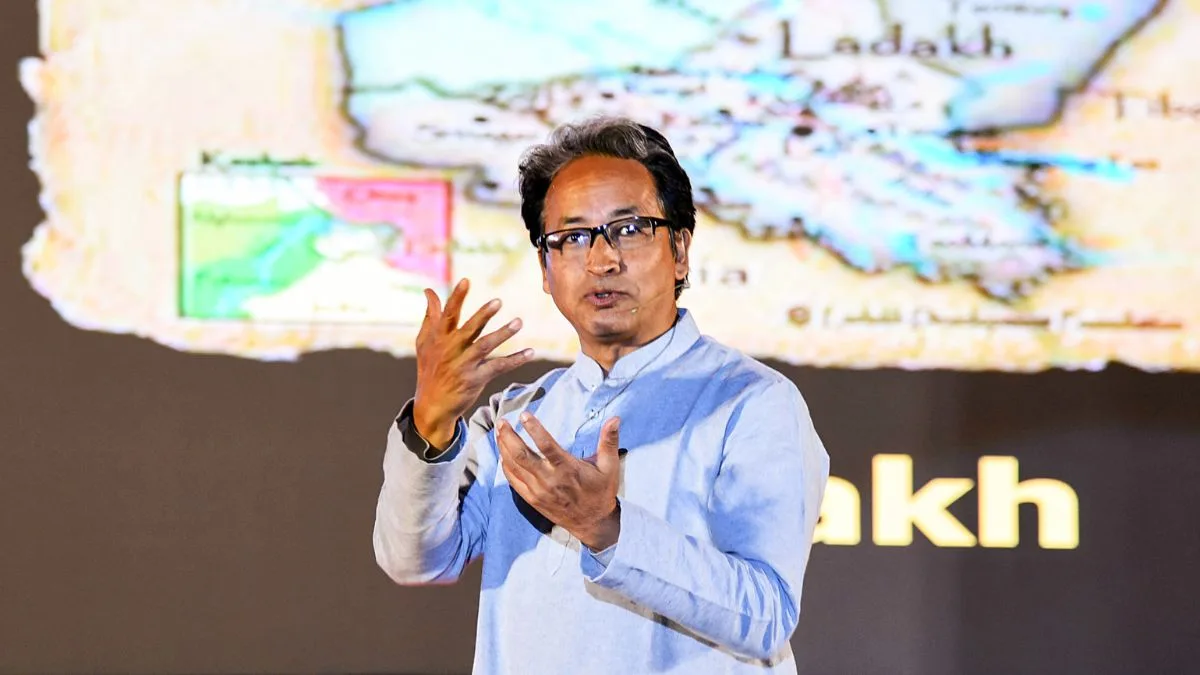
Climate activist Sonam Wangchuk faces serious allegations as he has been detained under the National Security Act (NSA) and shifted to Jodhpur Jail in Rajasthan. This decision by the Ladakh administration came in the wake of violent protests in Leh that escalated to tragic consequences, including four deaths and numerous injuries.
On the night of his detention, officials released a statement describing Wangchuk’s activities as harmful to public order and essential community services. The events leading to his arrest followed two days of turmoil driven by demands for statehood for Ladakh and inclusion under the Sixth Schedule of the Indian Constitution.
Wangchuk, who started a 35-day hunger strike on September 10, sought legislative reforms to protect the fragile ecosystem of Ladakh. He ended the fast two weeks later, amid escalating violence that erupted during protests on September 24.
Social media reactions to Wangchuk’s detention have branded the day as a “black day for Ladakh.” Critics have called for the resignation of Lieutenant Governor Kavinder Gupta, holding him accountable for the police’s deadly response to the protests.
The official announcement cited Wangchuk’s past actions as raising concerns for the security of the region. “Sonam Wangchuk has been indulging in activities prejudicial to the security of the state,” the press release stated. The administration claimed that despite opportunities for dialogue, his fast and rhetoric incited violence and unrest.
Experts emphasize that the Ladakh situation reflects broader social sentiment in the region, where residents express anger over perceived neglect and delayed promises of autonomy. Wangchuk’s hunger strike and the subsequent police response have amplified these grievances, raising public outcry for justice.
The Ladakh administration reiterated the necessity of his detention, asserting that it aims to restore peace and prevent future disturbances. “Normalcy must be reinstated in Leh to safeguard public interest,” officials said, adding that Wangchuk’s rhetoric had threatened the overall stability of the region.
As the crisis unfolds, many now question the effectiveness of the current administration’s approach to regional demands. Local voices continue to challenge the government’s narrative, emphasizing the importance of community-led dialogues and sustainable solutions for the people of Ladakh.