

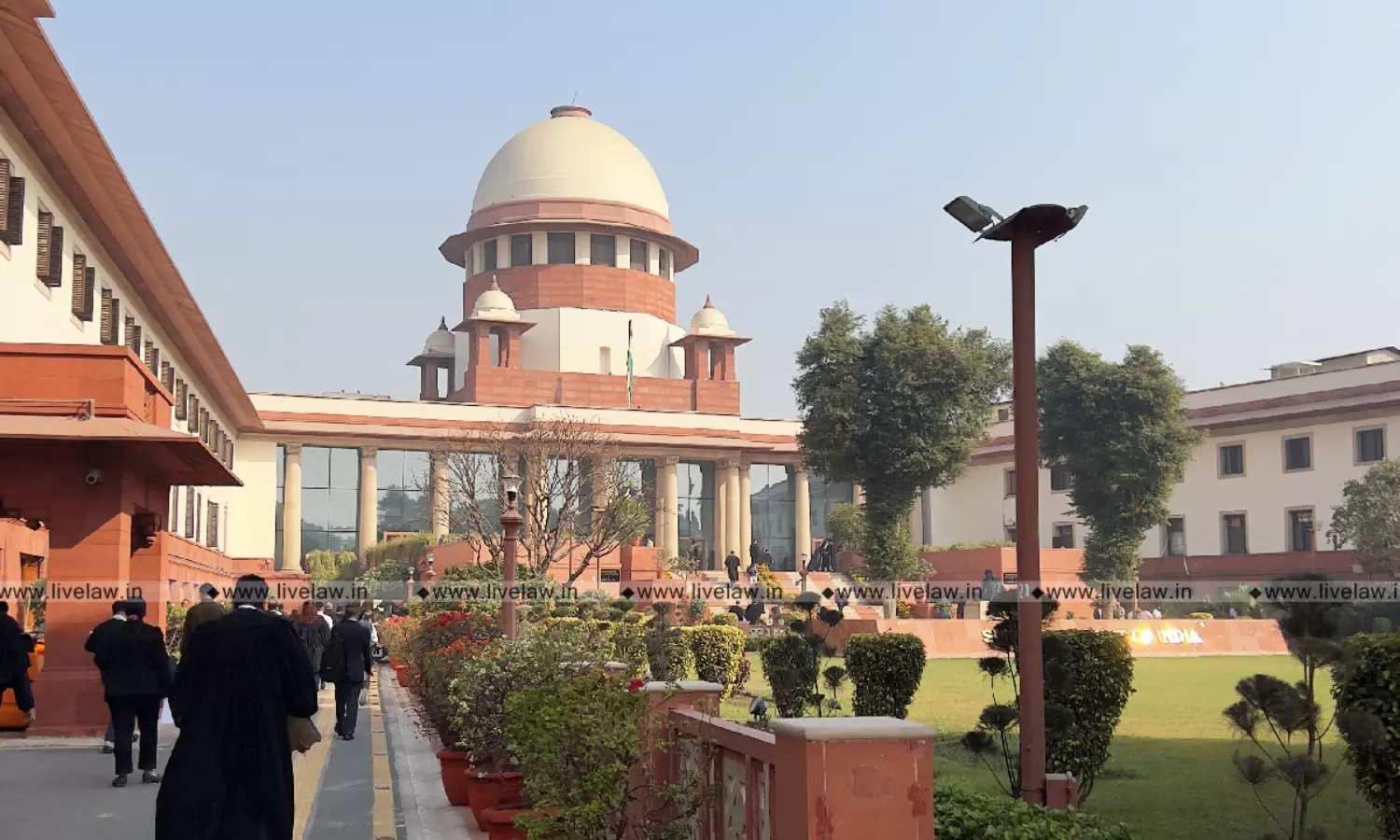
The Supreme Court of India has ordered the Central Bureau of Investigation (CBI) to verify the authenticity of an advocate’s degree. This decision comes after Magadh University reported that the advocate’s educational certificates appeared to be forged. The ruling, made by Justices Manoj Misra and Ujjal Bhuyan, was part of an appeal regarding the Bar Council of India’s disciplinary committee’s prior ruling.
Background of the Case
On September 15, the apex court took significant action, noting a letter from the controller of examinations at Magadh University, based in Bodh Gaya. This letter stated that the advocate’s marksheet and Bachelor of Commerce (B.Com) degree were “forged and not issued from the university.” The focal point of this case underscores the importance of legitimate educational credentials in the legal profession.
Court Directives and Investigations
The Supreme Court has mandated the advocate to present photocopies of his claimed degrees—specifically those pertaining to his graduation in commerce and law. According to the advocate, verification is complicated as university records have allegedly been damaged, making them inaccessible for confirmation.
In a direct order, the court tasked the CBI with the investigation, emphasizing the necessity to ascertain whether the B.Com degree claimed by the advocate, awarded in 1991, is authentic or a forgery. This decision reflects the court’s commitment to maintaining integrity within the legal profession and ensuring that only qualified individuals are permitted to practice law.
Key Findings from Magadh University
The university’s verification, expressing doubt over the authenticity of the advocate’s documents, raises critical concerns—especially considering the number of fraudulent documents estimated in the educational sector. According to a report by the Ministry of Education, close to 7% of graduates in India possess forged degrees. Thus, the actions taken by the Supreme Court are timely in purging dishonesty from legal practices.
Next Steps for the CBI
The Central Bureau of Investigation is now required to appoint an officer to look into the situation thoroughly. The report is expected to be submitted by November 3. As this investigation unfolds, many in the legal community are waiting with bated breath to see the implications of the findings.
Legal experts suggest that this case may set a precedent for future disputes over educational qualifications within the legal field. It echoes a broader dialogue about professional qualifications and accountability, showcasing the Supreme Court’s proactive role in addressing such matters.
Implications for the Legal Community
The Supreme Court’s decision is more than a mere inquiry; it highlights the critical need for safeguarding the integrity of the legal profession. If the claim of forgery is validated, it could lead to significant disciplinary action against the advocate. This might also instigate the Bar Council of India to revise its verification processes for attorneys’ educational qualifications.
Ultimately, maintaining the rule of law requires that all professionals uphold their educational standards. As this story unfolds, practitioners and aspiring lawyers alike must remain vigilant about the authenticity of their credentials and the potential repercussions of dishonesty in the field.